
9 min read
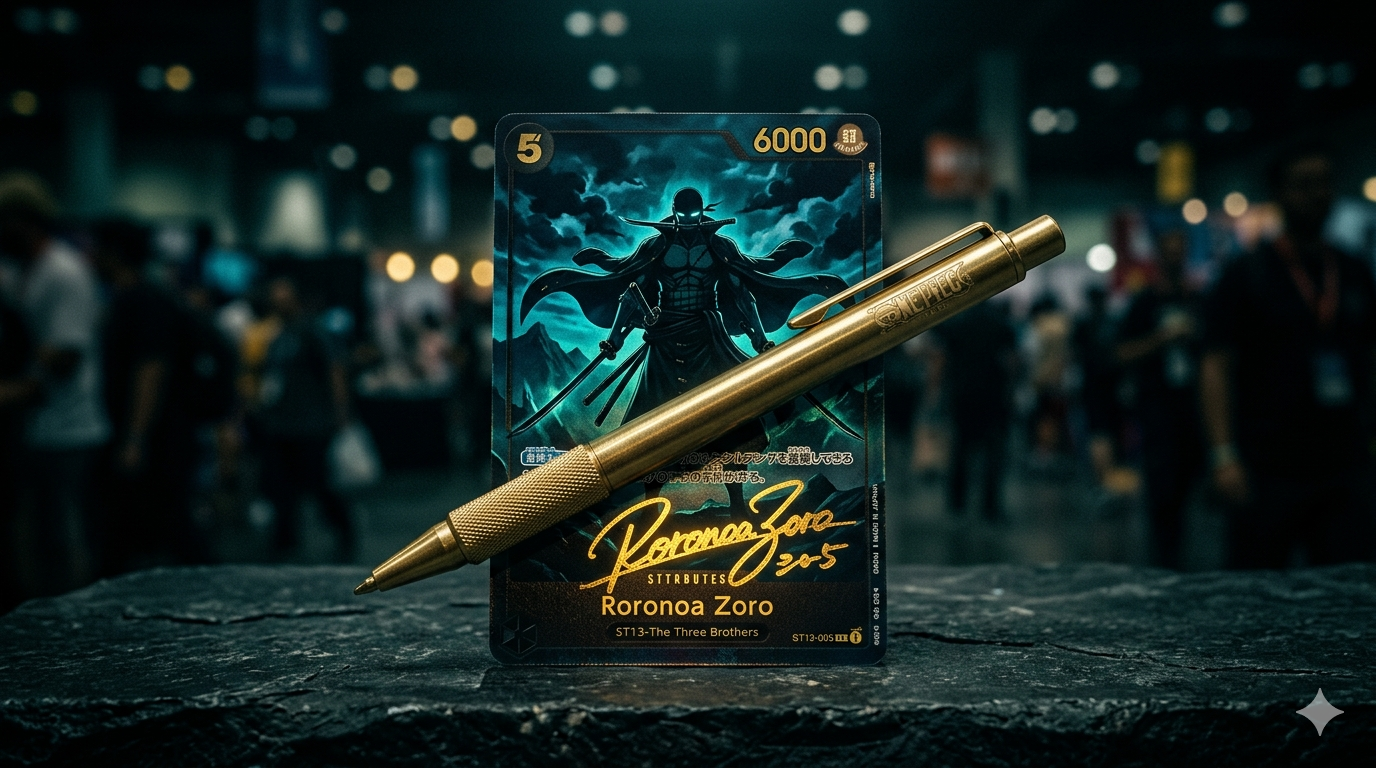
Should You Get Your Mihawk Card Signed by the Live Action Actor?
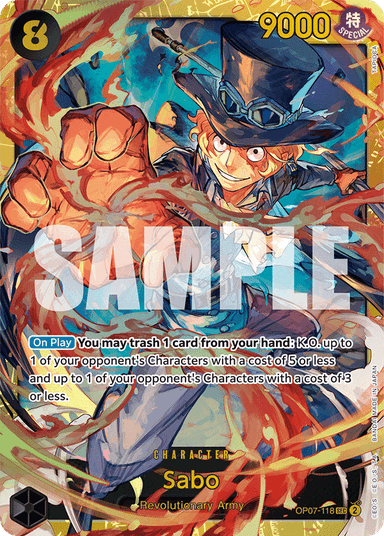
You're at a convention. Steven John Ward (Dracule Mihawk in Netflix's One Piece Live Action) is signing autographs at the next table. You have a Mihawk manga version rare in your bag. Do you pull it out?
It's a genuinely hard call. A signed rare card can become a unique collector's piece worth significantly more than the raw card. It can also destroy the card's PSA grade potential and leave you with something worth less than what you started with. Here's everything you need to weigh before you decide.
The appeal: why people do it
The One Piece Live Action is the first major live-action adaptation to genuinely land with fans. Season 1 & 2 drew record Netflix viewership. The actors are becoming recognisable beyond anime circles. Steven John Ward's Mihawk was a standout.
A Mihawk manga version card (or any character card, Mihawk being taken as an example for the sake of this article) signed by the Live Action actor is genuinely rare. It sits at the crossover of three collector communities: One Piece TCG collectors, manga collectors, and Live Action fans. That crossover is where unusual value can be created, but only if executed correctly.
What PSA actually does with signed cards
This is where most collectors make a costly mistake. PSA's standard numeric grading (1–10) treats signatures as alterations. A card submitted to PSA with a signature on it will not receive a numeric grade. It comes back with a label reading "Authentic: Altered", which effectively removes it from the numeric grade market entirely.
PSA does offer a separate autograph authentication service. If the signature is verified, the card gets slabbed with the autograph authenticated, and the card's condition described as ungraded. This is a different product from a PSA 10, and commands a completely different market.
Beckett (BGS) is more signing-friendly
Beckett Grading Services takes a different stance: BGS will grade signed cards numerically with an "A" autograph designation on the label (e.g. BGS 9.5 A). The autograph itself is also authenticated and graded on a scale (10, 9, 8, 7). This makes BGS the preferred grader for signed cards in the sports card world, and it's increasingly common in TCG circles.
For a signed card specifically, BGS may actually be the better path than PSA if you want both a numeric grade and autograph authentication on the same slab.
The financial math
Let's use rough current market values for a manga version SR to run the numbers. Bear in mind these move. Always check current sold listings before making a decision.
| Scenario | Est. value | Notes |
|---|---|---|
| Raw (unsigned) | €400 | Depending on condition |
| PSA 10 (unsigned) | €1250 | If condition justifies it |
| Signed, no authentication | €300 | Harder to sell, trust gap |
| PSA Authentic (signed, verified) | €1300–3000 | Depends on actor demand |
| BGS 9+ A (signed, graded) | €2000–4000+ | Best-case signed scenario |
The key insight: a well-executed signed card with proper authentication can approach PSA 10 value, but only if the actor's autograph has genuine demand and the card wasn't damaged in the signing process. An unauthenticated signed card, or one damaged by the pen, is worth less than raw.
The risks of signing a rare card
1. Pen pressure damage
A Sharpie pressed firmly against a card surface leaves an indent. On standard card stock this is minor; on the thin foil layer of a manga version rare, it can cause micro-denting that PSA would downgrade. Instruct the signer to use light pressure, something most actors at signing tables don't know to do unless you tell them.
2. Ink bleed on foil surfaces
The manga version's black-and-white art sits on a foil surface. Sharpie Ultra Fine Point works best on foil. Avoid thick-tipped markers, which smear before drying. Gold or silver ink pens can also work beautifully on dark foil backgrounds and create a striking visual contrast.
3. Placement matters enormously
A signature over the character's face or across the card text is considered poor placement and reduces both aesthetic and resale appeal. Guide the actor to sign in the lower border of the card, below the art, above the card stats. This preserves the artwork and gives the signature room to breathe.
4. The card has to leave the toploader
This is the moment of maximum risk. Removing a rare card from its sleeve at a signing table, in a convention environment with crowds and humidity, is inherently risky. A single corner knock against a hard surface ends your PSA 10 chances permanently.
Is the autograph worth something?
Autograph value is driven by the celebrity's profile and trajectory. Right now, Steven John Ward is known within the One Piece and Live Action community but hasn't crossed into mainstream Hollywood recognition. His autograph commands a modest premium compared to, say, lead actors like Emily Rudd or Mackenyu
However, the calculus changes significantly if the Live Action continues to scale. Season 2 brought more exposure. If the show runs 5+ seasons and your character becomes a recurring fan favourite, autographs signed today become considerably more valuable retroactively.
There's a real argument for getting it signed now, while access is still relatively easy at conventions, before the cast's signing fees and waiting lists increase. Early autographs from actors who go on to major recognition are typically worth more than those signed after they became famous.
Why the manga version specifically makes sense
The manga version cards have a few properties that make them particularly suited for signing:
- The black-and-white art style means a gold or silver signature is visually striking and clearly visible against the dark tones
- The card directly references the source material (manga) while being signed by the live-action interpretation, a meaningful crossover
- Manga version cards have their own collector niche, making the signed piece appealing to multiple communities simultaneously
- The card's existing rarity gives it floor value, and even an imperfect signing doesn't drop it to zero
How to do it right, if you decide yes
- Bring two copies if you can: one to sign, one to keep pristine. If you only have one, seriously consider the toploader option.
- Bring your own marker: a Sharpie Ultra Fine in gold or silver. Don't rely on the table's markers, which are often worn down.
- Remove the card at the last moment: don't have it out in a crowd. Remove it from the toploader only when you're directly in front of the actor.
- Direct the placement: politely say "could you sign just here" and point to the lower border. Most actors appreciate clear guidance.
- Let it dry completely before re-sleeving, at least 60 seconds. Smearing a fresh signature is a disaster.
- Submit for authentication promptly: PSA and JSA both offer autograph authentication. Without third-party verification, a signed card is essentially unsellable to serious collectors.
Verdict
Sign it, if:
You want a unique display piece and have a backup
- You have a duplicate card to keep graded
- You're willing to pursue BGS or PSA autograph authentication
- You follow the signing protocol carefully (placement, marker, drying time)
- You're bullish on the Live Action's long-term success
Don't sign it, if:
You're optimising for maximum resale value
- It's your only copy and you plan to submit to PSA numeric grading
- You won't pursue authentication (unauthenticated signatures kill resale)
- The card isn't in near-perfect condition to begin with
- You're not confident about the signing process logistics
Best of both worlds:
Sign the toploader, keep the card pristine
- Zero risk to the card. PSA 10 potential preserved.
- Still a unique signed display piece
- You can always get another card signed later if you change your mind
The signed toploader approach is underrated. It lets you have both: a pristine card with full grading upside, and a signed piece that celebrates the Live Action crossover. The only thing it can't give you is a BGS authenticated slab, but for most collectors, the display value is what matters.
Ultimately, if you're the type of collector who values the story behind a piece as much as its market price, a signed card done right is a genuinely special object. Just don't let convention excitement override the checklist.